Blog

Biases in journalism

We all have biases! Even journalists they are human too.

What does a journalist do?

A journalist makes a difference in peoples’ lives. They uncover the truth and explain the complex issues in a way that anyone can understand. They help people make decisions about their lives, their values, their beliefs.

It is truthful and minimizes harm. It is free of conflicts of interest. It is accurate, clear, fair, thorough and transparent.

Journalists Should:

  • Be responsible for their work.
  • Provide context and take time to promote the story.
  • Gather the correct/updated information
  • Identify sources clearly
  • Support the open and civil exchange of views.
  • Provide access to source materials when it is appropriate.

 

Aggregation example story

University of Michigan students pay different annual costs depending on which of the three campuses the students are attending. The University of Michigan Ann arbor has the highest annual cost for attendance where the annual cost for in-state students is between $29526 and $31396. Out-of-state students pay annual cost that is more than the double of the in-state students’ annual cost, where the annual cost for out-of-state students is between $62176 and $65508.

The University of Michigan Flint has the second highest annual cost between the University of Michigan campuses. The Flint campus has a total annual cost of $24526, where the  cost is divided between tuition & fee, room & board, books & supplies, transportation, and personal expenses. Lastly, the University of Michigan Dearborn has the lowest annual cost compared to the Ann arbor and Flint campuses. The annual cost for the University of Michigan Dearborn is $13772 for in-state students and $26006 for out-of-state students.


The Drive on the 2019 Detroit Auto Show

auto

An article that I found that uses curation is from The Drive, a news website about automobiles, that talked about the Detroit Auto Show moving the dates for the 2019 Detroit Auto Show to October instead of January.

The article does an alright job curating, adding a few links that backed up his statements. For example, he linked the article that shows that Mercedes-Benz will sit out of the 2019 Detroit Auto Show.

His article is well written, but he weaved in his own opinions, saying that the 2018 Detroit Auto Show was the “most boing and irrelevant Auto Show in his career.” Towards the end of the article, he states that The Drive is for the October move date for the Detroit Auto Show.

There’s also times in the article that needed to be linked. He stated where he got his information and talks about it, like Automotive News, but doesn’t link the original article. I also thought that he needed to add other outside sources, other than articles from his own publication.

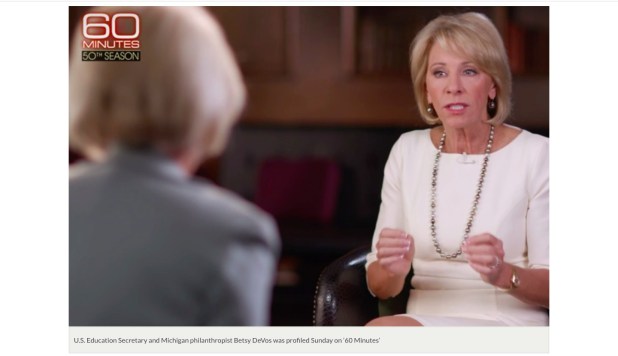
Curated story on Betsy DeVos

bt 4

When reading Ron French’s curated story about Betsy DeVos, he presented facts that backed up what he was saying. For example, when answering how Michigan schools are really doing, he linked an article to the following statement, Michigan is “dead last among states in improvement in math and reading.” When looking on the article, we can see that Michigan, as well as West Virginia, South Carolina, and Alaska are struggling with maintaining the average growth.

French contextually linked articles and websites throughout his story. When reading, I didn’t know what the National Assessment of Education Progress (NAEP) was, until he linked the website. It is a detailed data base of national and state assessments.

I liked that his story can be easily readable. It wasn’t overly complicated with statistics or bunched up with his own opinions. He presented the story as it is, with facts that backed up his word.

Buzzfeed treats #IBelieveHer proponents and critics unfairly

BuzzFeed aggregated tweets and public statements in the wake of the #IBelieveHer after two rugby players are acquitted of rape charges.

While the BuzzFeed story goes into some of the details of the case, the main focus is on the online discussion surrounding the #IBelieveHer hashtag.

The story allows people from both sides to speak, however when it comes to linking it treats each differently. For those on the side of the girl, it links directly to the tweets made, however when it comes to the opposed only screenshots with blurred names are provided.

Perhaps this was done to prevent backlash to the tweeters, yet to treat one side differently than the other seems unfair.